Services
Whole-House Retrofit Delivery Aligned with the
Warm Homes Plan
Integrated Retrofit Measures Delivered Under the Warm
Homes Plan
We deliver coordinated, whole-house retrofit programmes aligned with the Warm Homes Plan, Social Housing Decarbonisation Fund (SHDF) objectives, and local authority decarbonisation strategies.
All measures are developed through a PAS 2035-compliant process — incorporating retrofit assessment, design, risk evaluation, and managed installation sequencing to ensure technical compliance, quality assurance and long-term asset performance.
Our governance-led delivery model prioritises:
• Fabric-first improvement pathways to maximise building performance
• Structured retrofit coordination and technical oversight
• Managed installation sequencing to mitigate delivery risk
• Quality assurance, audit readiness and evidence-led reporting
• Compatibility with current and future low-carbon heating systems
This approach ensures measurable carbon reduction, improved EPC outcomes, enhanced resident comfort, and durable asset value across housing portfolios.
Fabric-First Performance Improvements
Our retrofit strategy prioritises fabric optimisation as the foundation of long-term decarbonisation.
We implement targeted building-fabric upgrades to reduce heat demand, improve thermal performance, and enhance EPC outcomes across housing portfolios, including:
• Loft insulation upgrades
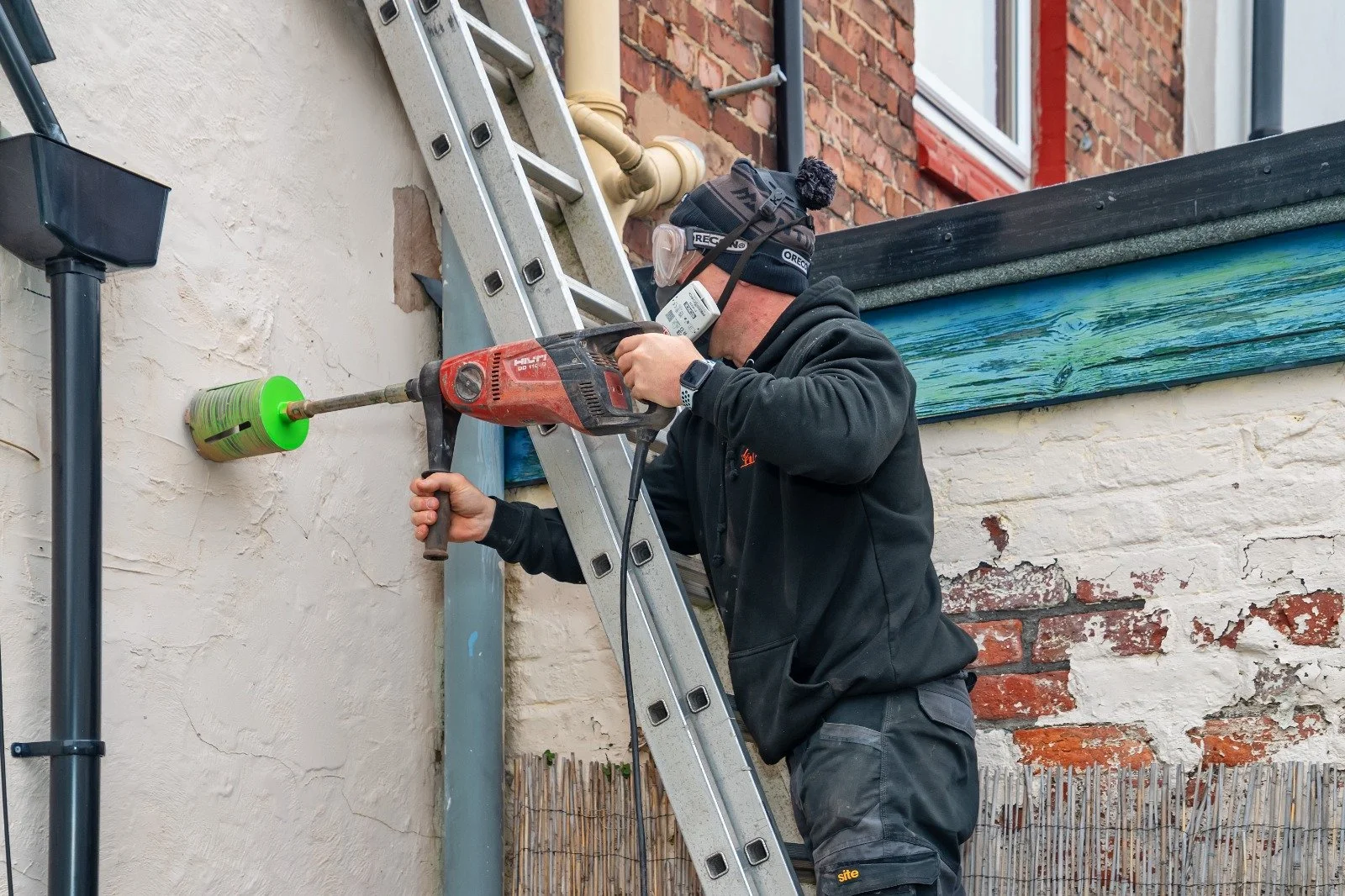
• Cavity wall insulation
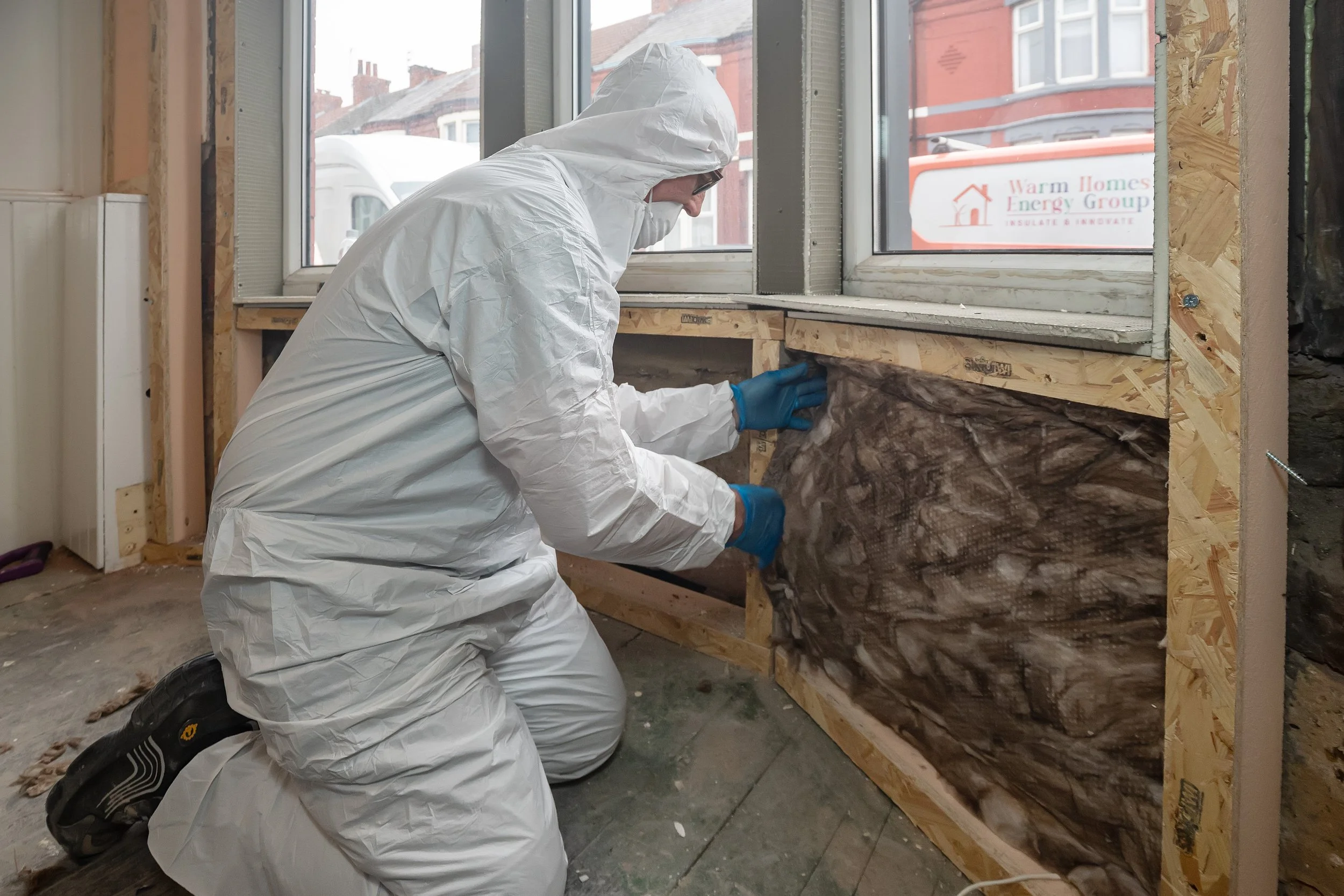
• Internal wall insulation (IWI)
• Thermal bridge identification and mitigation
• Airtightness improvements and controlled ventilation integration
All measures are specified through a PAS 2035-compliant assessment and design process, ensuring risk management, moisture control, and long-term building performance.
By reducing heat demand before the introduction of electrified heating systems, we safeguard system efficiency, minimise oversizing risk, and protect long-term asset value.
Heating & Electrification Pathways
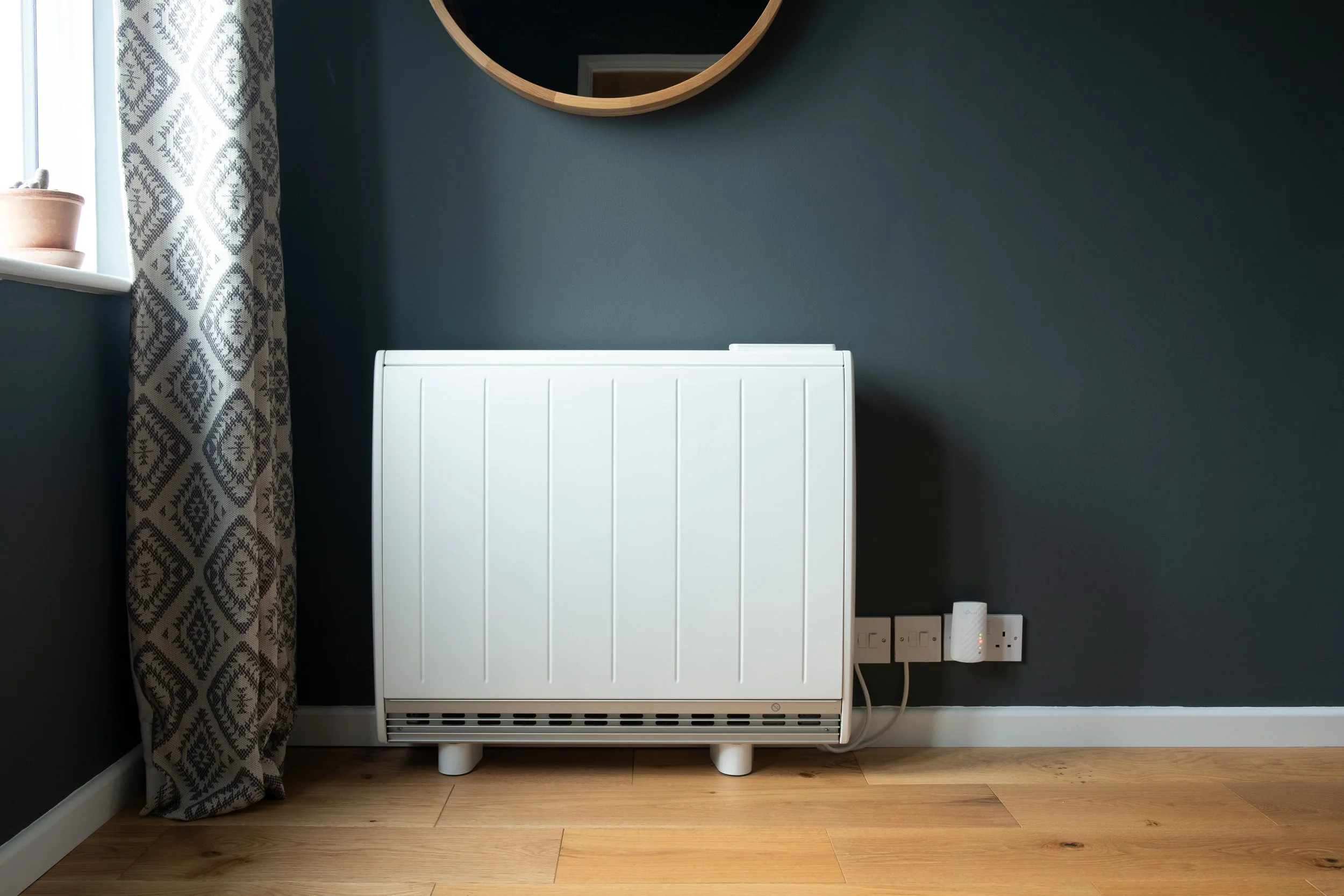
Heating interventions are delivered as part of a structured, whole-house retrofit strategy aligned with Warm Homes Plan and Social Housing Decarbonisation Fund (SHDF) objectives.
We implement electrification solutions that are appropriately sequenced, correctly sized, and fully integrated within the building fabric strategy, including:
• High-retention electric heating systems
• Fabric-ready air source heat pump installations
• Smart heating controls and system optimisation
• Electrical infrastructure upgrades where required
• Load-calculated system design aligned to dwelling performance modelling
All heating measures are informed by:
• PAS 2035-compliant retrofit assessment and design
• Heat loss calculations and system sizing validation
• Property archetype and occupancy profiling
• Ventilation and moisture strategy integration
By reducing heat demand prior to electrification, we minimise oversizing risk, improve seasonal system efficiency, and protect long-term performance across housing portfolios.
Renewable & Storage Integration
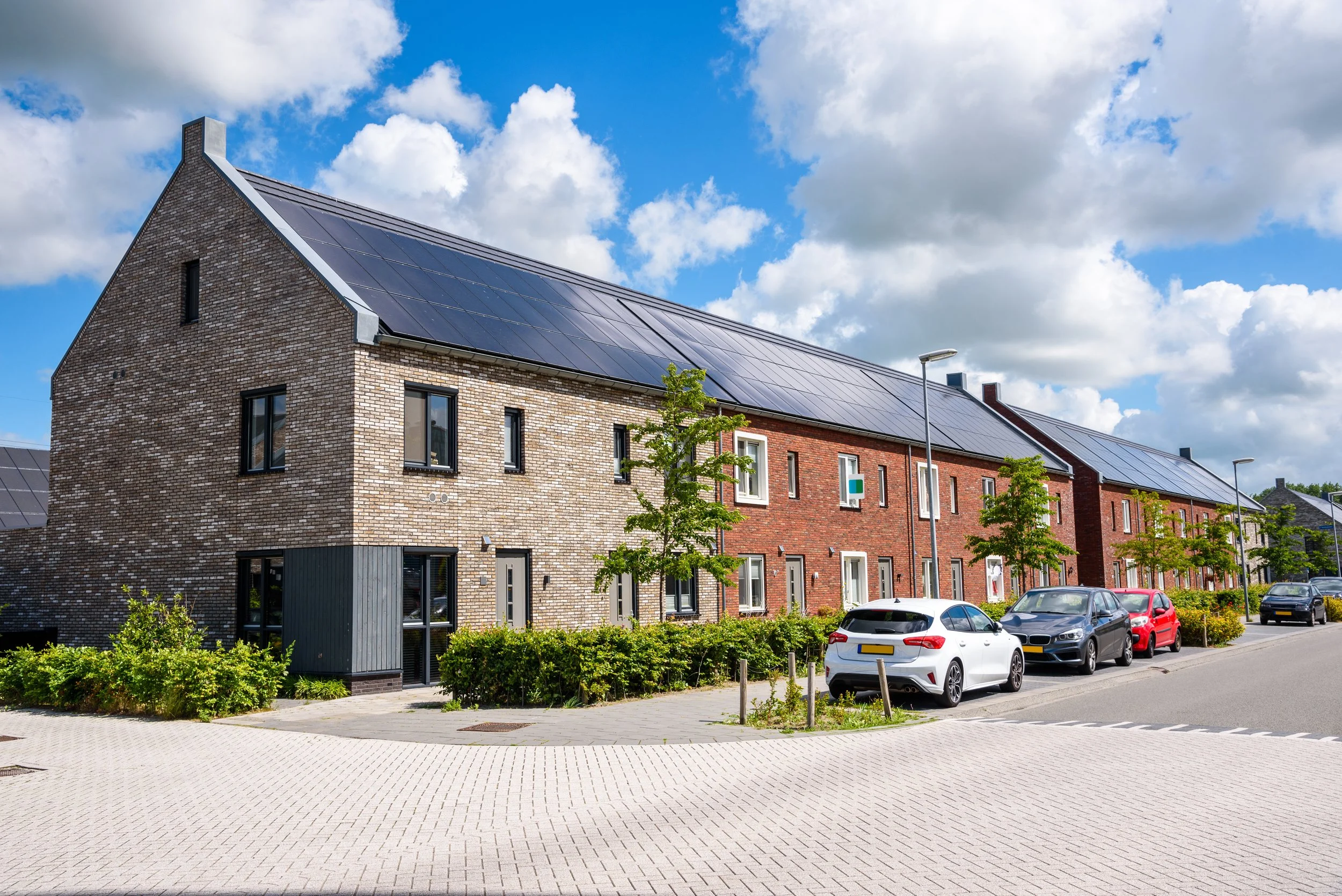
Renewable generation and storage technologies are deployed as part of an integrated, whole-home energy strategy aligned with Warm Homes Plan and Social Housing Decarbonisation Fund objectives.
We design and deliver systems that enhance portfolio-level carbon reduction, grid flexibility, and long-term energy resilience, including:
• Solar PV systems aligned to dwelling orientation and yield modelling
• Battery storage solutions to increase on-site self-consumption and reduce peak demand
• Heat batteries and thermal storage systems to optimise off-peak and flexible tariff use
• Smart controls integrated with electrified heating systems
• Electrical infrastructure assessments to ensure network capacity and compliance
All renewable and storage measures are:
• Designed in conjunction with fabric performance improvements
• Sequenced within the PAS 2035 retrofit pathway
• Assessed against property suitability and future decarbonisation strategy
• Integrated with time-of-use optimisation and demand management planning
This coordinated approach maximises carbon savings, reduces household energy costs, and strengthens long-term asset performance across housing portfolios.
Ventilation & Indoor Air Quality
Effective ventilation is fundamental to compliant, whole-house retrofit delivery. As fabric performance improves and airtightness increases, a robust ventilation strategy is essential to safeguard building integrity, moisture balance, and resident health.
We deliver ventilation solutions fully aligned with PAS 2035 and Building Regulations (Approved Document F), ensuring integration within the overall retrofit risk assessment and design process.
Our approach includes:
• Whole-dwelling ventilation assessment as part of the retrofit design stage
• Mechanical Extract Ventilation (MEV) systems
• Decentralised Mechanical Extract Ventilation (DMEV) solutions
• Background ventilation upgrades, including trickle vent strategies
• Moisture risk analysis and condensation mitigation planning
• Commissioning, airflow testing and performance validation
All systems are designed to:
• Maintain indoor air quality following fabric upgrades
• Prevent interstitial condensation and long-term fabric degradation
• Align with heating and airtightness improvements
• Support resident wellbeing and regulatory compliance
Ventilation is not treated as an add-on measure. It is embedded within the retrofit pathway to ensure durable performance, audit readiness, and long-term asset protection across housing portfolios.

Integrated Delivery Assurance
All retrofit interventions are delivered within a structured governance framework aligned to national standards and funder requirements.
Our delivery operates under:
• PAS 2030 installation standards
• PAS 2035 retrofit coordination, risk assessment and design methodology
• TrustMark scheme requirements
• Warm Homes Plan and SHDF technical specifications
• Building Regulations and associated compliance frameworks
• Scheme-specific monitoring and reporting obligations
Each measure forms part of a coordinated, whole-house retrofit pathway — not a standalone installation.
This integrated model ensures:
• Robust retrofit assessment and design sign-off
• Managed installation sequencing
• Risk mitigation, including moisture and overheating considerations
• Commissioning and performance validation
• Evidence capture and audit readiness
• Clear carbon and EPC improvement tracking
Every programme is delivered as a structured, accountable intervention framework designed to:
• Maximise measurable carbon reduction
• Improve resident comfort and health outcomes
• Safeguard long-term asset value
• Support future funding rounds and decarbonisation phases
Our assurance-led approach strengthens governance, protects public investment, and provides confidence to local authorities and housing providers at every stage of delivery.