
Delivering the Warm Homes Plan Across North Wales
End-to-end compliant whole-house retrofit improving energy efficiency, reducing fuel poverty and supporting long-term decarbonisation.
Our Role in the Warm Homes Plan
Delivering compliant, fabric-first retrofit across North Wales.
We deliver compliant, whole-house retrofit programmes across North Wales in alignment with the Warm Homes Plan and Department for Energy Security and Net Zero guidance.
Our fabric-first approach ensures energy efficiency improvements are strategic, sustainable and future-ready - supporting long-term household resilience and decarbonisation goals.
Strategic Delivery for the Region
Why This Matters in North Wales
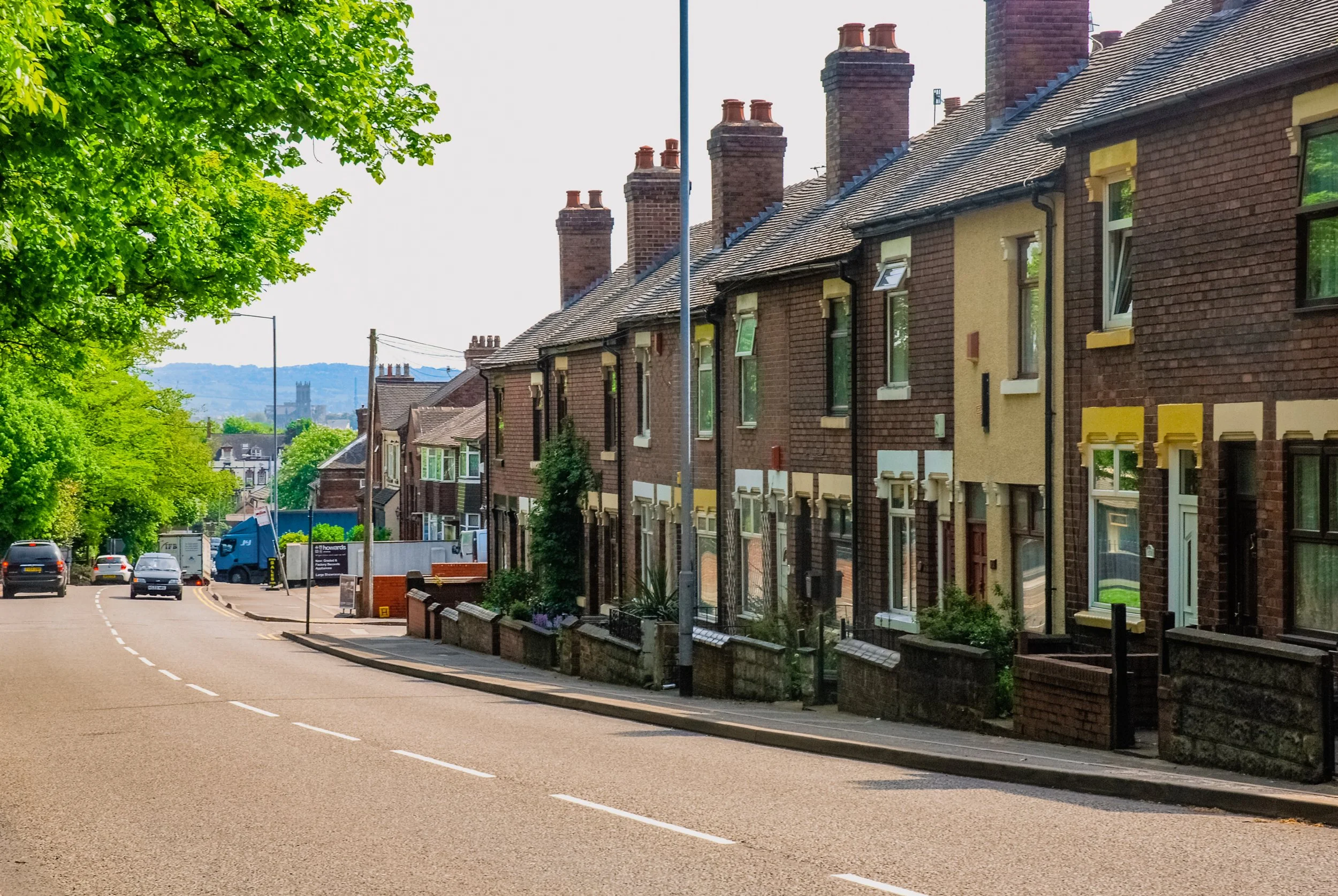
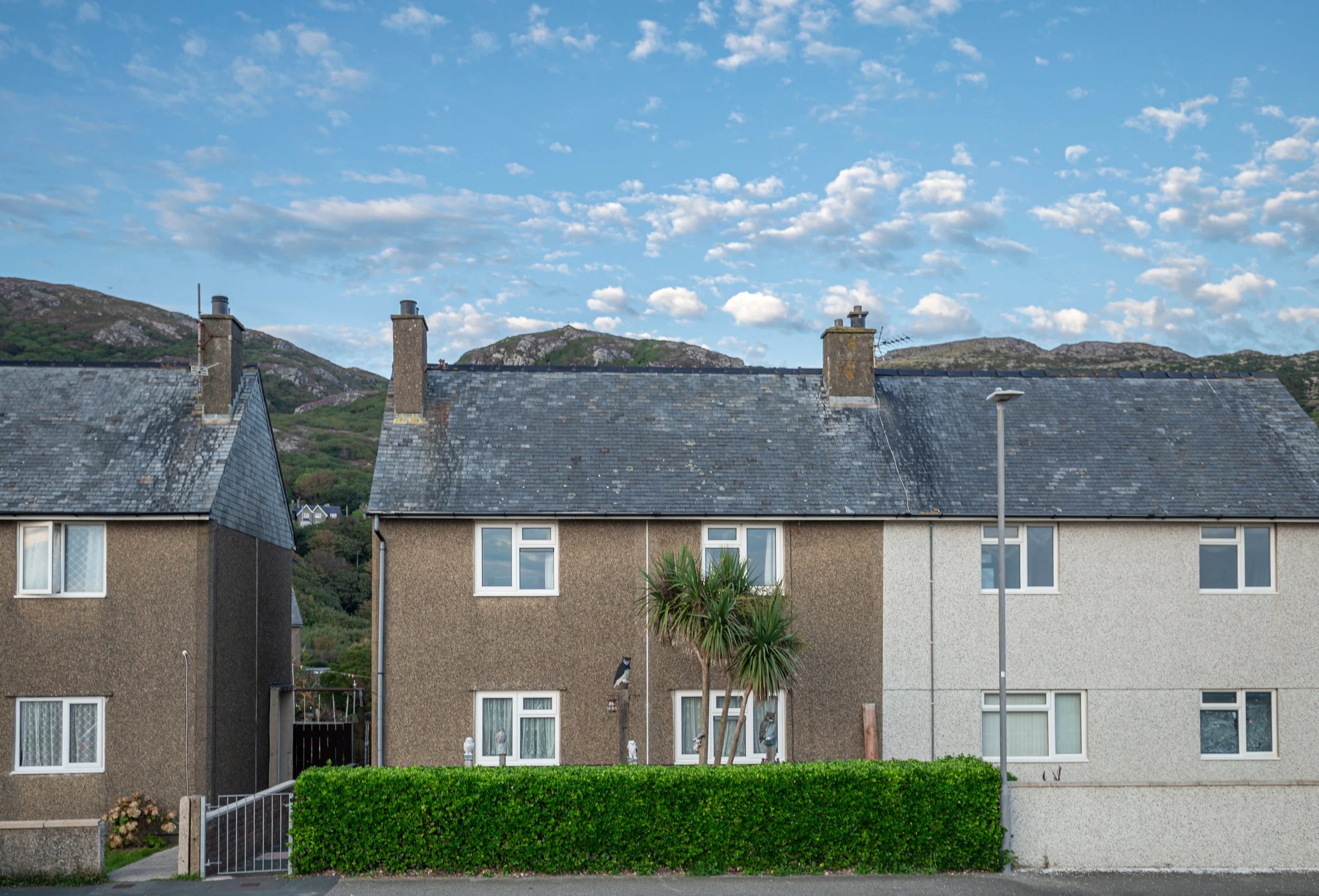
North Wales is characterised by older housing stock, rural and coastal communities, and households at heightened risk of fuel poverty. Delivering effective energy efficiency improvements across the region requires a structured, place-based approach.
We work in partnership with local authorities and housing providers to deliver compliant, fabric-first retrofit programmes that improve thermal comfort, reduce energy demand and support long-term decarbonisation goals.
What We Deliver
End-to-End Whole-House Retrofit Delivery
We deliver integrated, PAS 2035-compliant retrofit programmes aligned with the Warm Homes Plan, SHDF and wider housing decarbonisation frameworks.
Our model moves beyond isolated measures — providing structured, risk-managed improvement pathways that deliver measurable carbon reduction, EPC uplift and durable asset performance across housing portfolios.
Strategic Property Assessment & Retrofit Planning
We undertake comprehensive whole-house assessments in accordance with PAS 2035, including:
• Retrofit assessment and data capture
• Archetype analysis and risk path determination
• Condition and ventilation strategy review
• EPC modelling and improvement forecasting
• Sequenced improvement pathway development
Each property receives a tailored, evidence-based retrofit plan designed to optimise performance, manage risk and ensure future compatibility with low-carbon technologies.
Low-Carbon Heating & Electrification Pathways
We implement heating strategies aligned with property suitability, load calculations and decarbonisation targets.
Measures include:
• High-retention electric heating systems
• Fabric-ready air source heat pump installations
• Smart heating controls and optimisation systems
• System upgrades aligned with ventilation strategy
All heating interventions are designed within whole-house modelling frameworks to ensure safe, efficient and compliant deployment.
Ventilation & Indoor Air Quality Safeguarding
Ventilation strategy is fully integrated within every retrofit pathway to maintain building health and resident wellbeing.
We deliver:
• Mechanical Extract Ventilation (MEV)
• Decentralised Mechanical Extract Ventilation (DMEV)
• Background ventilation upgrades
• Condensation and moisture risk mitigation
This ensures compliance with Building Regulations and protects fabric performance following insulation upgrades.
Fabric-First Energy Improvements
Our delivery prioritises demand reduction to safeguard long-term system efficiency and building health.
This includes:
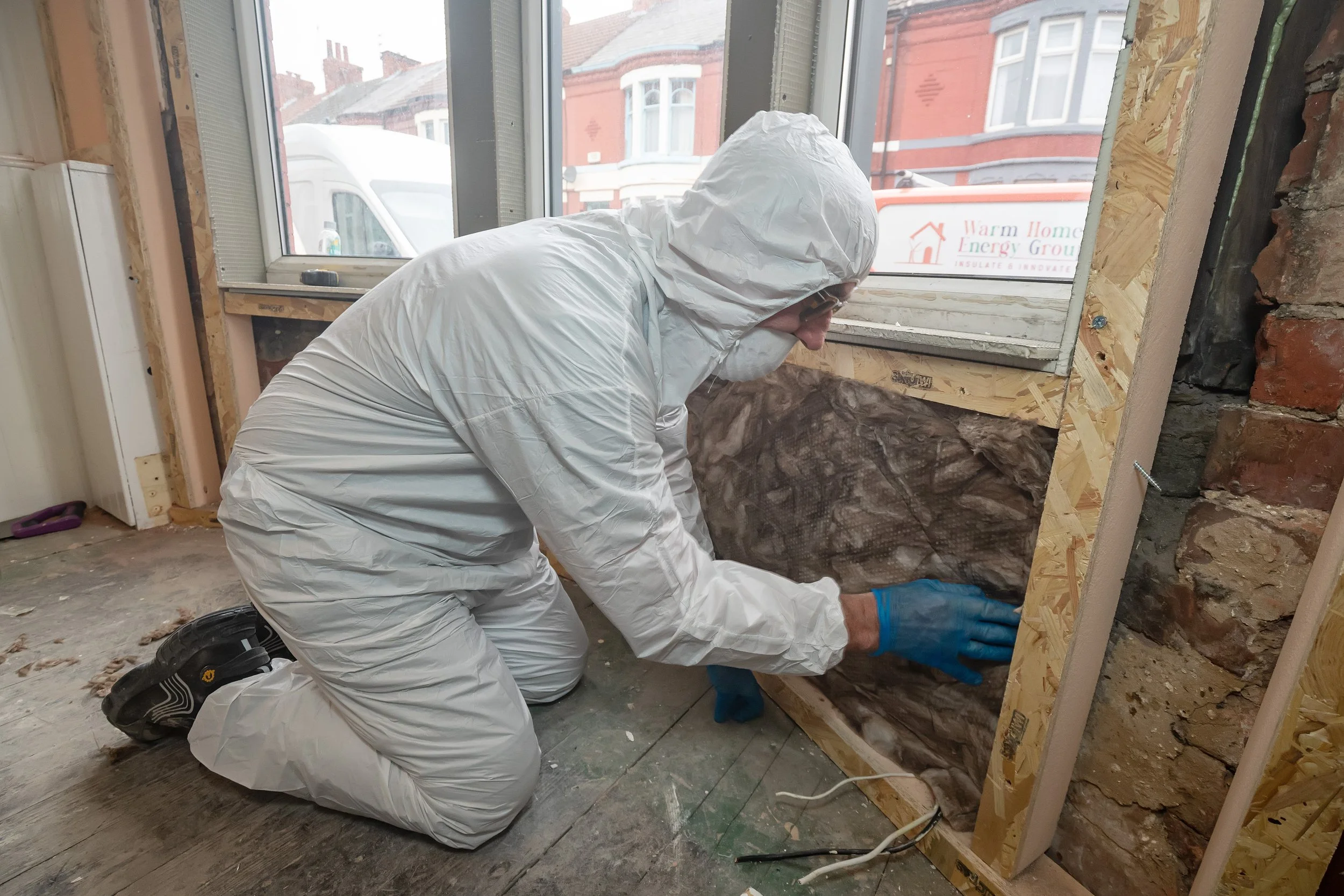
• Loft, cavity and internal wall insulation
• Thermal bridging mitigation
• Airtightness and fabric detailing improvements
• Damp and moisture risk management
• EPC performance enhancement strategies
Reducing heat demand before introducing electrified heating minimises oversizing risk, protects asset durability and improves long-term outcomes.
Renewable & Energy Storage Integration
Where appropriate, we deploy renewable and storage technologies to enhance energy resilience and reduce operational costs:
• Solar PV systems
• Battery storage solutions
• Thermal storage and heat batteries
• Time-of-use optimisation strategies
These systems are integrated within a coordinated energy strategy — not retrofitted as isolated add-ons.
Resident-Centred Programme Delivery
We operate structured resident engagement frameworks to support programme success, including:
• Pre-works consultation and eligibility support
• Clear communication and scheduling
• On-site coordination and disruption minimisation
• Post-installation support and aftercare
Our approach ensures technical compliance is matched by positive resident experience and measurable social value outcomes.
Measures Delivered Under the Warm Homes Plan
Delivered within a PAS 2035–aligned, fabric-first whole-house retrofit framework.
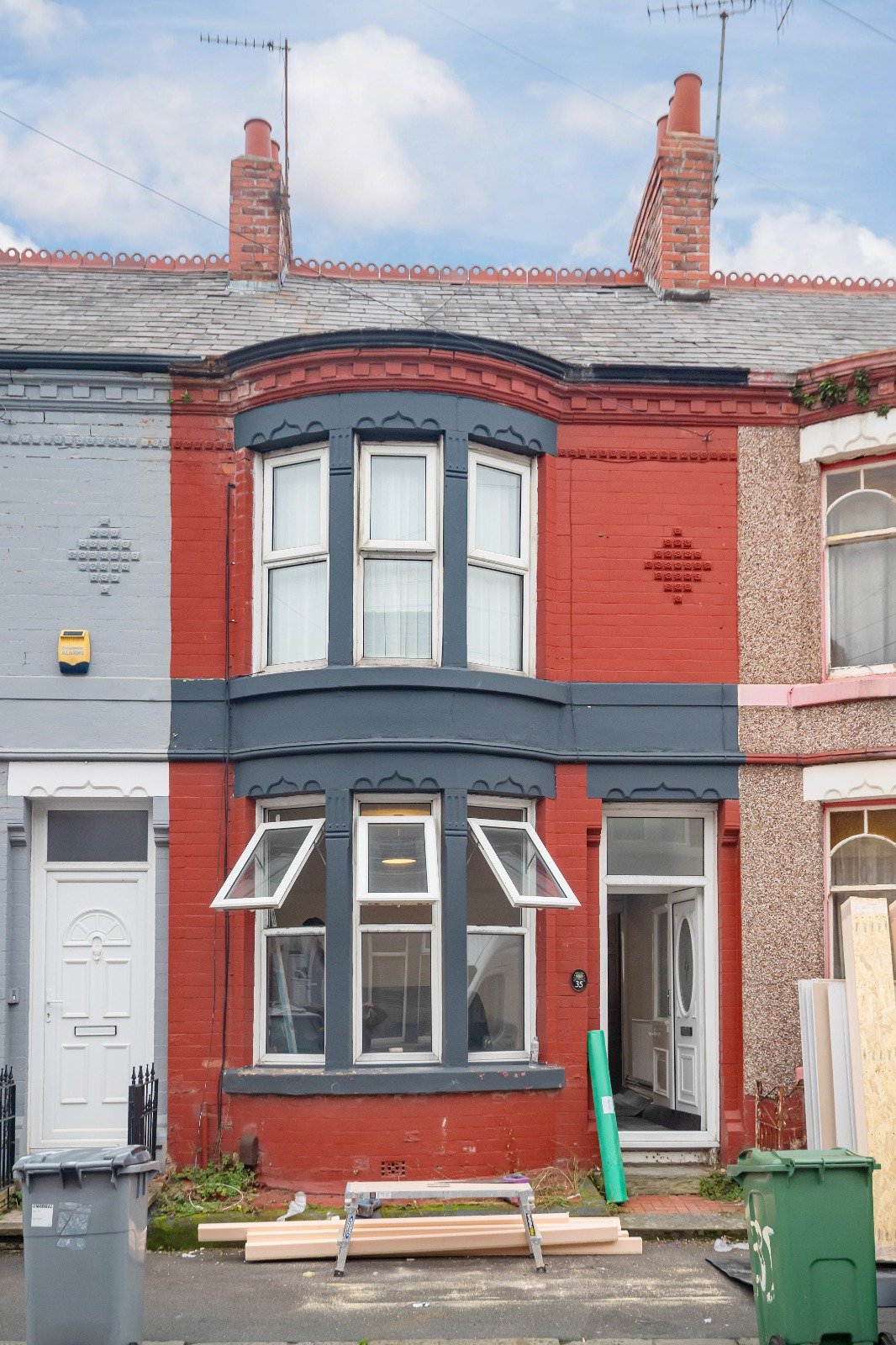
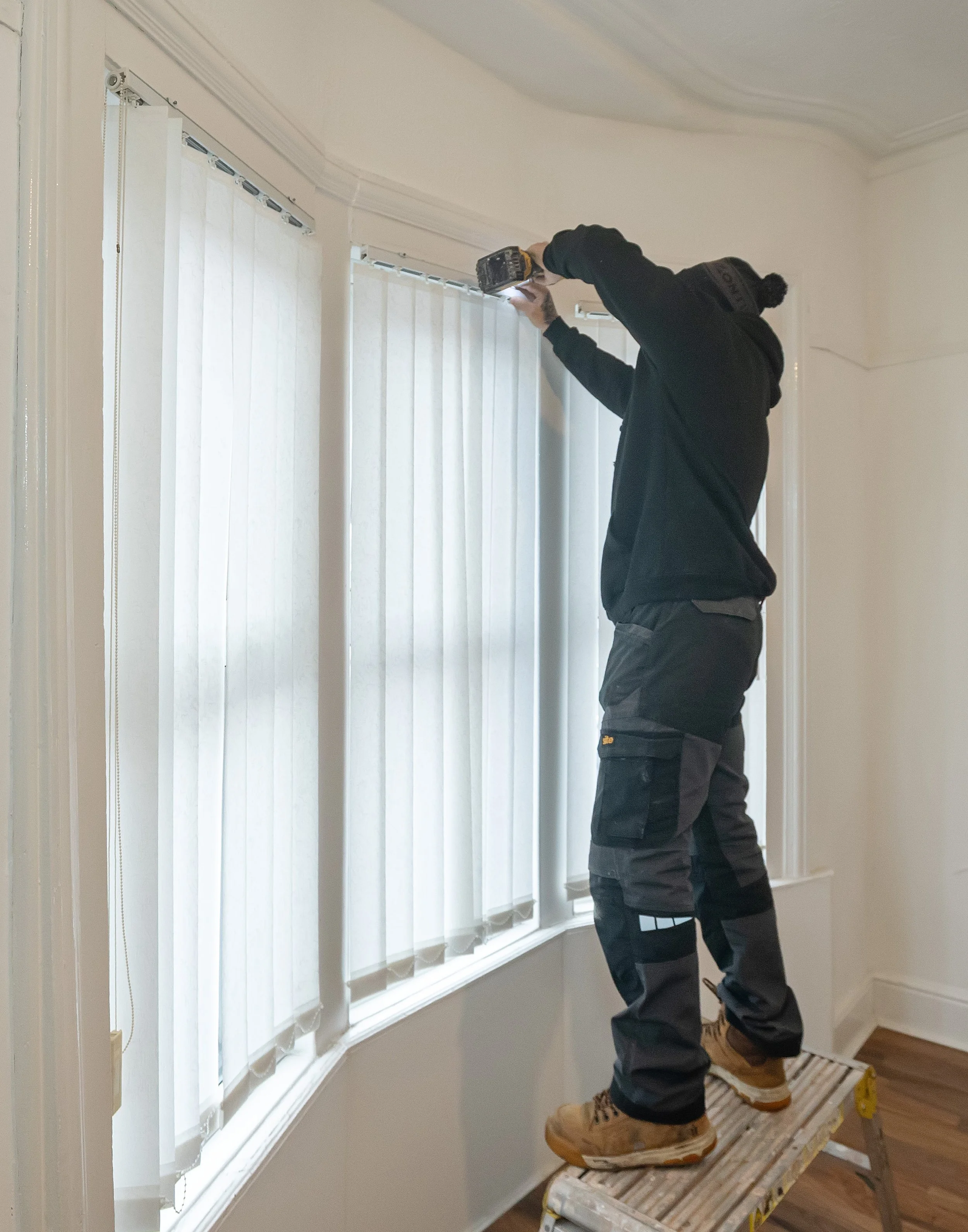
We deliver coordinated, whole-house retrofit programmes including fabric-first upgrades, low-carbon heating systems, renewable integration and ventilation improvements — all aligned with PAS 2035 and Warm Homes Plan technical standards.
A Governance-Led Delivery Model
Place-Based & Scalable
A structured, governance-led approach designed to support local authorities and housing providers in delivering compliant, scalable retrofit programmes across North Wales.
We operate on a local authority and housing-provider basis, delivering coordinated, area-wide programmes across North Wales to maximise impact, efficiency and to maximise impact, operational efficiency and programme governance.
Compliance-Led
Delivered in full alignment with:
PAS 2030 and PAS 2035
TrustMark accreditation requirements
Warm Homes Plan technical standards
Building Regulations and scheme governance frameworks
Future-Ready
We take a long-term, strategic approach to retrofit, upgrading homes along a defined improvement pathway that safeguards compatibility with both current and future low-carbon technologies.
This ensures public investment delivers long-term performance improvements rather than short-term gains.
Why the Warm Homes Plan Matters in North Wales
North Wales is characterised by a high proportion of older, hard-to-treat housing stock, rural and coastal communities, and households at heightened risk of fuel poverty. Energy efficiency and affordable warmth are therefore both a regional challenge and a strategic priority.
The Warm Homes Plan provides a structured framework to reduce energy demand, lower household costs, improve comfort and wellbeing, and support the UK’s transition to net zero.
Our role is to translate that framework into controlled, on-the-ground delivery — ensuring measurable, accountable impact across homes, housing portfolios and communities throughout North Wales.
Who We Work With
We partner with:
Local Authorities
Housing Associations and ALMOs
Social Housing Providers
Managing Agents
Community-led housing projects
We work as a trusted delivery partner — providing strategic support, compliant delivery, and end-to-end retrofit expertise, rather than operating as a traditional installer.